My Homemade Preserved Lemons with Garlic & Thyme turn a handful of simple ingredients into a fantastic condiment that lives in your fridge and automatically makes everything taste better. It’s the kind of thing you keep on hand when a meal needs a little extra something to take it over the top!
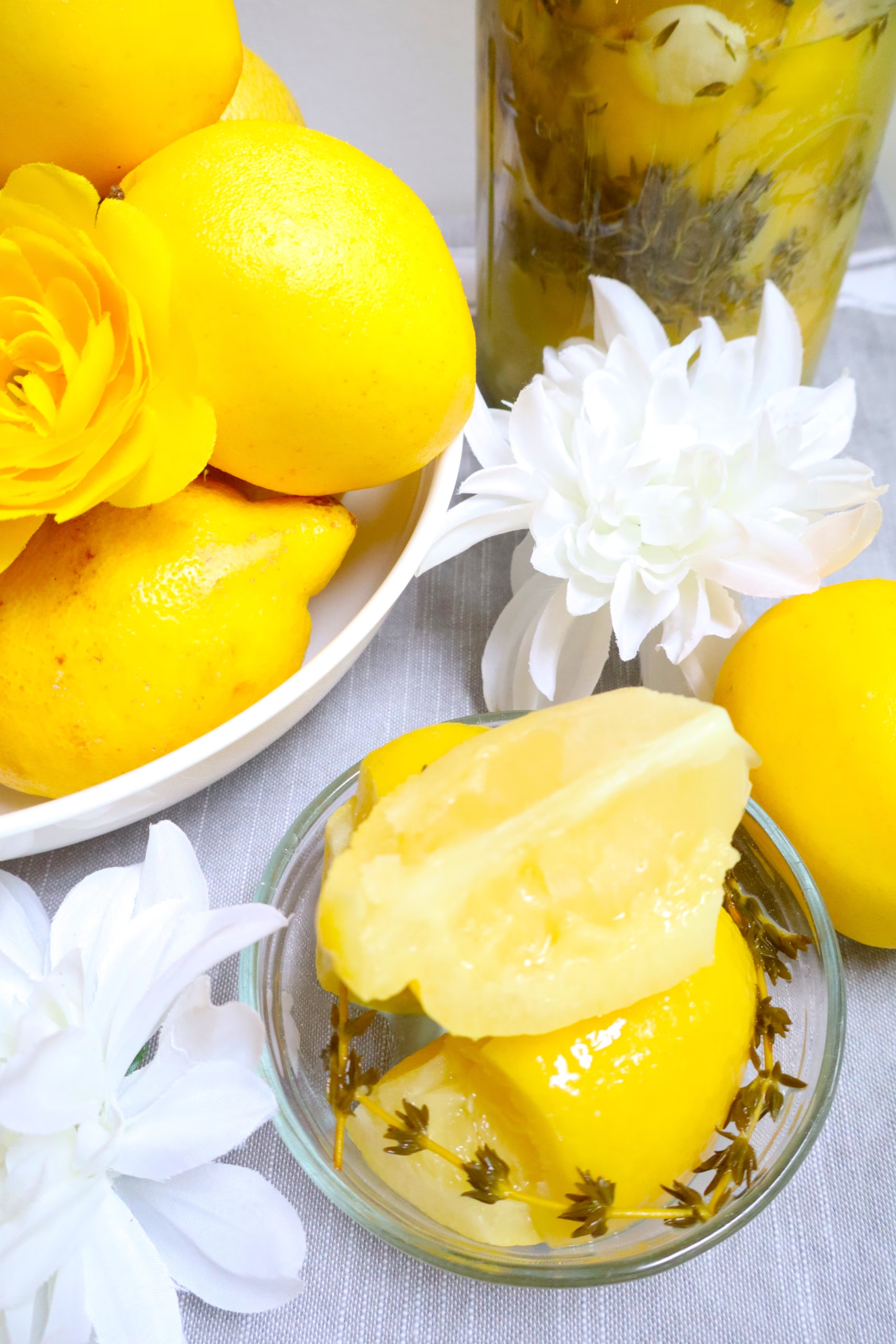
HOMEMADE PRESERVED LEMONS WITH GARLIC & THYME
My food is delicious. I really believe that! But even the most flavorful dish can use a little something special sometimes. And when I bring something home from outside that just isn’t hitting the way I hoped, I want something waiting in my fridge to fix that. So, I started asking myself what I can always keep around that makes food more interesting with minimal effort.
I typically keep pickled onions stocked at all times, but I wanted one more thing. Something tangy, flavorful, and versatile enough to go with almost anything I cook.
That’s exactly how my Homemade Preserved Lemons with Garlic & Thyme became a permanent fixture in my kitchen.
I had preserved lemons at a restaurant once and fell hard for that bright, salty, concentrated citrus flavor. Then I looked for them in the store. You can find them, but here’s the problem: they’re not organic. When you’re eating the rind of a citrus fruit, organic is non-negotiable for me. So, I did what I always do… I figured out how to make them myself!
I’m happy to say that it’s super easy. Once you have a jar of these lemons sitting in your fridge, you’ll find yourself reaching for them constantly. Chop them up and throw it into whatever you’re making or buying from the store. The taste is unlike anything you can get from fresh lemon juice alone. It’s deeper, saltier, and just a bit herby and garlicky.
Let your imagination run wild with this one.
Now let’s get to it!
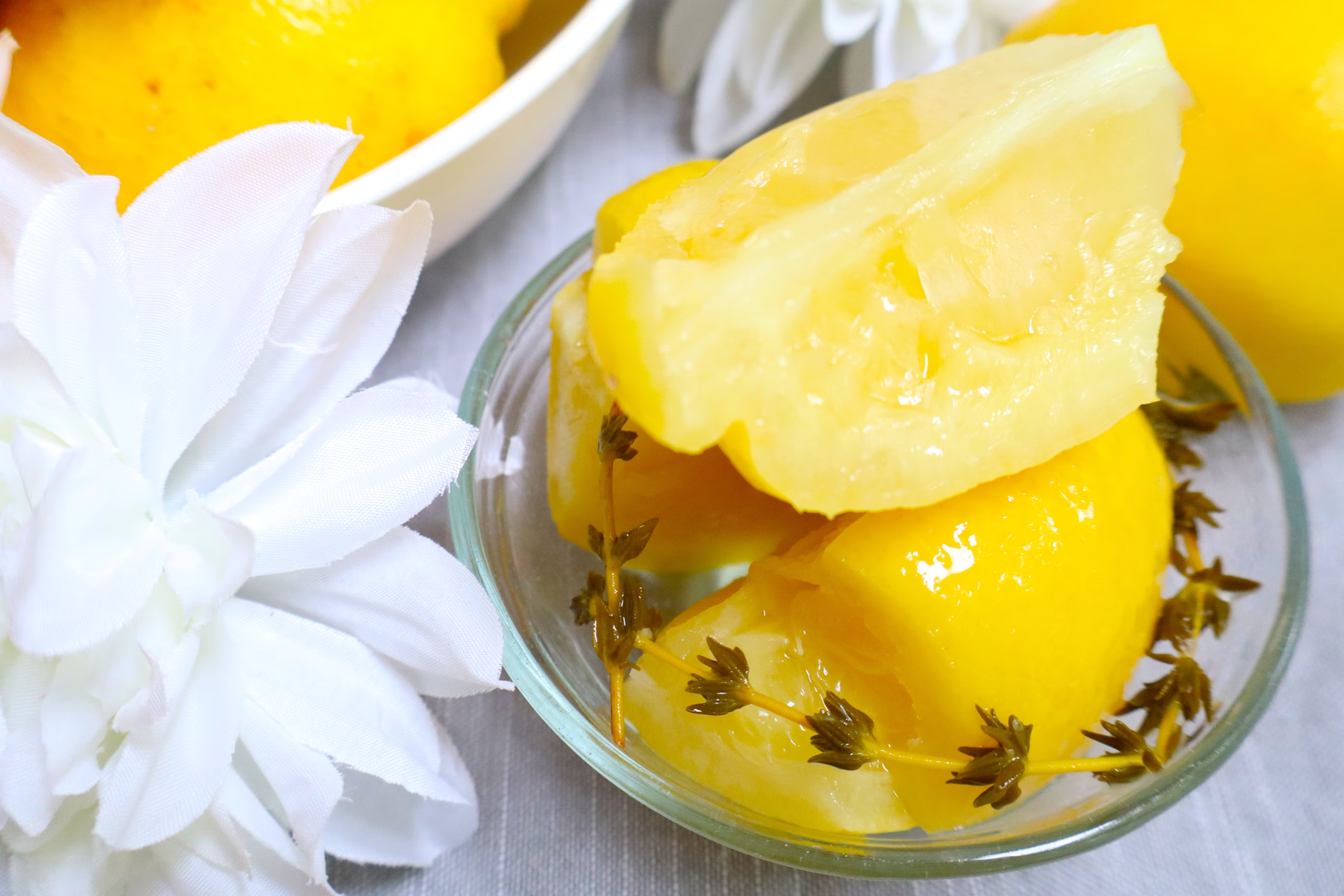
HOW I MADE-OVER THIS CONDIMENT:
Preserved lemons are already a powerhouse on their own, and this version takes that even further by keeping every ingredient organic and thoughtfully chosen.
Organic lemons are an excellent source of vitamin C, which supports immune function and skin health. Celtic gray salt brings trace minerals like magnesium and potassium that refined salt strips away. Garlic contains allicin, a natural compound known for immune-boosting properties. Fresh thyme is rich in thymol, a natural antibacterial compound that also supports respiratory health.
Clean ingredients. Zero preservatives. Maximum flavor!
This recipe is nut-free, gluten-free, refined-sugar-free, egg-free, dairy-free, soy-free, paleo, grain-free, vegetarian, and vegan.
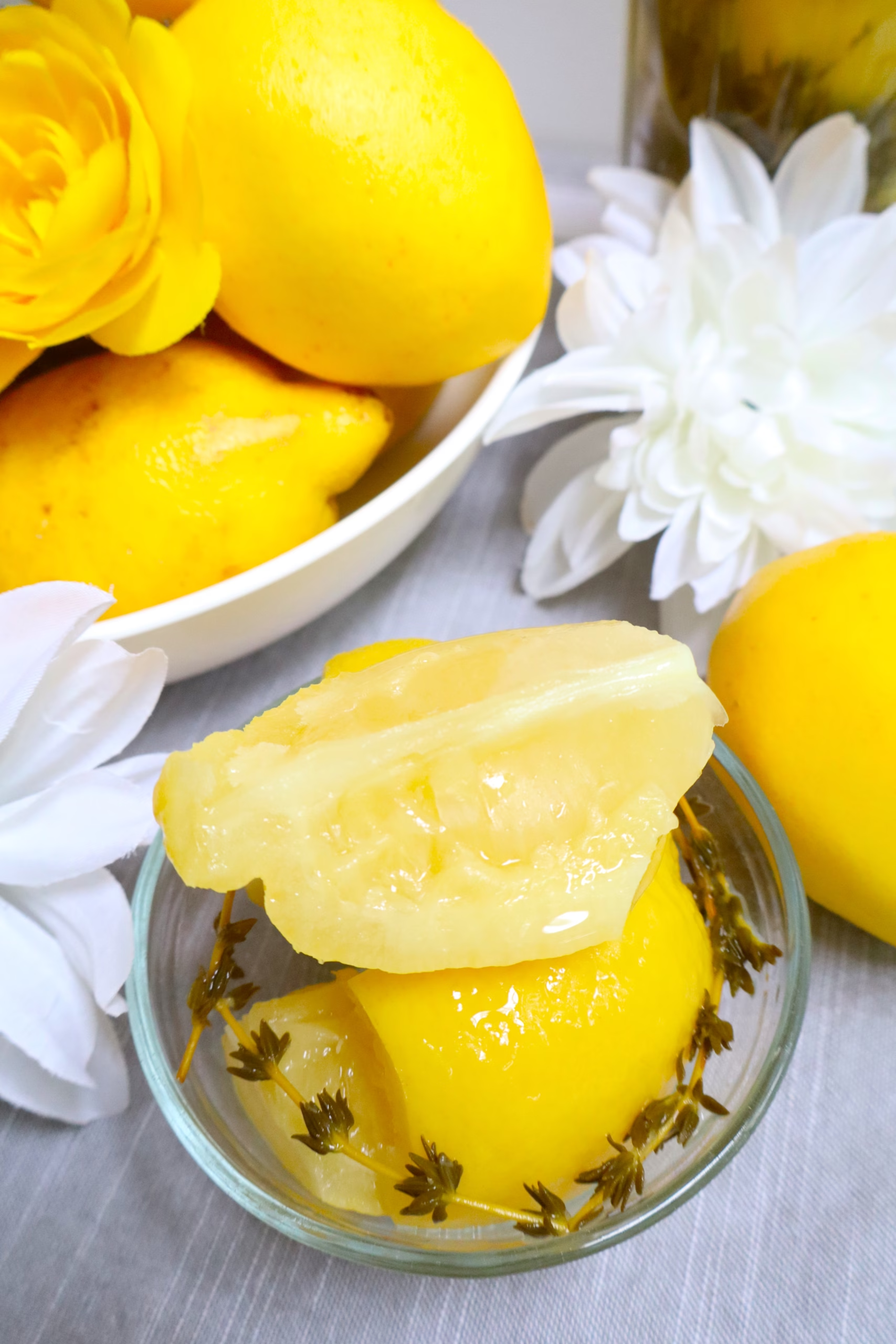
HERE’S WHAT YOU’LL NEED:
(Use organic ingredients when possible)
Lemons
Celtic gray salt or coarse salt
Garlic
Fresh thyme
THIS IS HOW YOU’LL MAKE IT:
First things first: Grab your 16-ounce mason jar. It typically fits three standard-size lemons comfortably, and that’s exactly what you need to fill it just right. If your lemons are on the smaller side, keep a fourth one on hand just in case.
Then thoroughly wash your lemons and cut off any parts that look bruised or undesirable before you do anything else.
Cut the rougher end off each lemon and leave the other tip intact. Then cut each lemon into quarters lengthwise, stopping before you cut all the way through so each lemon stays attached at the base.
Open each lemon and add a portion of salt right into the flesh. The salt is doing all the heavy lifting here, drawing out the juice and starting the preservation process.
Now start packing the jar. Add your first lemon in, then drop in the smashed garlic and a few sprigs of thyme. A tip: bruise your fresh thyme sprigs before adding them. This activates the natural oils and really gets the flavor going. Then repeat, layering lemons and aromatics until the jar is full, leaving about an inch and a half of space at the top.
Press the lemons down firmly using the back of a wooden spoon or whatever sturdy instrument you have. Put your muscles into it! You should see juice pooling at the bottom of the jar almost immediately. That is what creates the brine that preserves everything. If the lemons are not submerged after pressing, squeeze an extra lemon or two over the top until they are fully submerged. If you watched my video on social media, my lemons were not juicy at all, so I actually had a lot of backup lemon juice ready to go.
Seal the jar tightly and set it on your counter. For the first five days, flip or shake the jar once a day to keep the salt and juices moving. Each time you check on them, make sure the lemons are fully covered in brine. If they’re not, use a clean utensil to push them back down. The lemons must be covered at all times. This is important for safe preservation. After day five, move the jar to the fridge. The lemons will be ready to use in about two to three weeks, and the best flavor is achieved after one month. Trust me, the wait is worth it!
When you’re ready to use them, you have a decision to make. Some people prefer to rinse the lemons and remove the pulp before chopping. Personally, I do neither. I like using the entire thing, seeds aside of course! Then chop it up and add it to everything. It delivers a bright, salty, slightly garlicky citrus punch that adds something incredibly special to whatever it’s added to.
Hope you love this one!
SERVING SUGGESTIONS:
Chop and add them to literally anything you think lemon would enhance.
Toss them into chicken, seafood, or steak dishes.
Stir into grain bowls, pasta, or couscous to pull everything together.
Add to salad dressings or marinades.
Layer onto sandwiches or wraps for a tangy, savory note.
Stir into hummus, yogurt dips, or sauces.
Toss with roasted vegetables right before serving.
Add to tuna fish or chicken salads.
MITA’S MUST-KNOW TIP:
When perfecting any recipe, the right amount of salt, spices, and sweeteners depends on the size and flavor of the produce you use, and that might be different from what I used when I developed this recipe. Your zucchini might be tiny compared to mine, your strawberries could be on the verge of being jam, and your tomatoes might be less tomato-y than expected, so taste as you go! If you add more veggies or swap anything in, a little seasoning tweak might be needed. You can totally make this dish your own, and if you go a little overboard, you can probably fix it. But tasting often means you won’t need a backup plan… or a backup meal!
FREQUENTLY ASKED QUESTIONS:
Q: Hey Mita! Do I really need to use organic lemons for this recipe?
A: In my opinion, yes! Since you’re eating the rind and not just the juice, you want to skip the pesticide residue that comes with conventional citrus.
Q: I’m nervous about food safety. How do I know my preserved lemons are safe to eat?
A: That’s a valid concern! As long as the lemons stay fully submerged in brine, you always use a clean utensil to remove them, and nothing smells off, you’re in good shape. Salt is a powerful natural preservative and is doing a lot of the work here. If anything ever smells funky, toss it and start fresh.
Q: My lemons aren’t fully covered in juice after packing. Did I do something wrong?
A: Not at all! Sometimes that happens depending on how juicy your lemons are. Just squeeze an extra lemon right over the top of the jar before sealing and you’ll be good to go.
STORAGE AND LEFTOVERS:
Stored properly in the fridge with lemons fully submerged in brine, they will keep for up to six months. Always use a clean utensil every time to avoid contamination.
To check if your preserved lemons have gone bad, look for visible mold or dark spots on the rind, a foul or off-putting smell that goes beyond the expected salty citrus scent, or a slimy texture on the lemons themselves. Any one of those signs means it’s time to toss the batch and start fresh.
ADDITIONAL NOTES:
Pack the jar tightly, but leave about an inch and a half of space at the top.
Press the lemons down firmly after packing. That step is what releases the juice and creates the brine, so do not rush it.
Lemon size varies, so the exact number you need may shift slightly. Go by the jar, not the count.
This condiment is concentrated. Add it to dishes sparingly and taste as you go.
NUTRITIONAL VALUES:
I don’t include nutritional values in my recipes because I believe in intuitive eating and balanced nutrition. Since ingredient brands can vary, the numbers aren’t always consistent. If you’d like a more accurate breakdown, I recommend entering this recipe into MyFitnessPal or a similar tracker.
For more delicious Dips, Dressings, & Sauce ideas, check these out!
4 Sneaky Roasted Veggie & Garlic Ranch Yogurt Dip
The Best Veggie-Packed Game Day Guac
If you make this recipe, I’d love it if you left a comment and star rating below! And don’t forget to tag me on Instagram so I can see your creation. Feel free to reach out with any questions, and I’ll do my best to help!
Print
Homemade Preserved Lemons with Garlic & Thyme
- Prep Time: 20 minutes
- Ferment Time: 2 – 4 weeks
- Total Time: 20 minutes + 2 – 4 weeks
- Yield: 12 – 16 servings 1x
- Category: & Sauces, and Sauces, Dips, Dressings, How-Tos & Tips
- Method: Pressure Cooking
- Cuisine: American
- Diet: Dairy-Free, Gluten-Free, Keto, Low-Carb, Pescatarian, Vegan
Description
My Homemade Preserved Lemons with Garlic & Thyme turn a handful of simple ingredients into a fantastic condiment that lives in your fridge and automatically makes everything taste better. It’s the kind of thing you keep on hand when a meal needs a little extra something to take it over the top!
Ingredients
- 3 to 4 Lemons
- 2 Tablespoons Celtic gray salt or coarse salt
- 2 Cloves garlic, smashed
- 10 Sprigs of fresh thyme
Instructions
- Thoroughly wash your lemons and cut off any bruised or undesirable parts.
- Cut the rougher end off each lemon and leave the other tip intact. Then cut each lemon into quarters lengthwise, stopping before you cut all the way through so each lemon stays attached at the base.
- Open each lemon and pack about 2 teaspoons of salt directly into the flesh.
- Add your first lemon into the jar, then layer in smashed garlic and a few sprigs of thyme. Repeat, layering lemons and aromatics until the jar is full, leaving about 1.5 inches of space at the top.
- Press the lemons down firmly with the back of a wooden spoon until juice begins to pool at the bottom.
- If the lemons are not submerged, squeeze an extra lemon or two over the top until they are fully submerged.
- Seal the jar tightly. Leave on the counter for 5 days, flipping or shaking once daily. Each time you check, make sure the lemons are covered in brine. If not, use a clean utensil to push them back down.
- Move the jar to the refrigerator. It will be ready in 2 to 4 weeks. The best flavor is achieved after one month.
- When it’s ready, chop it up and add it to everything you can possibly think of.
- Enjoy!